
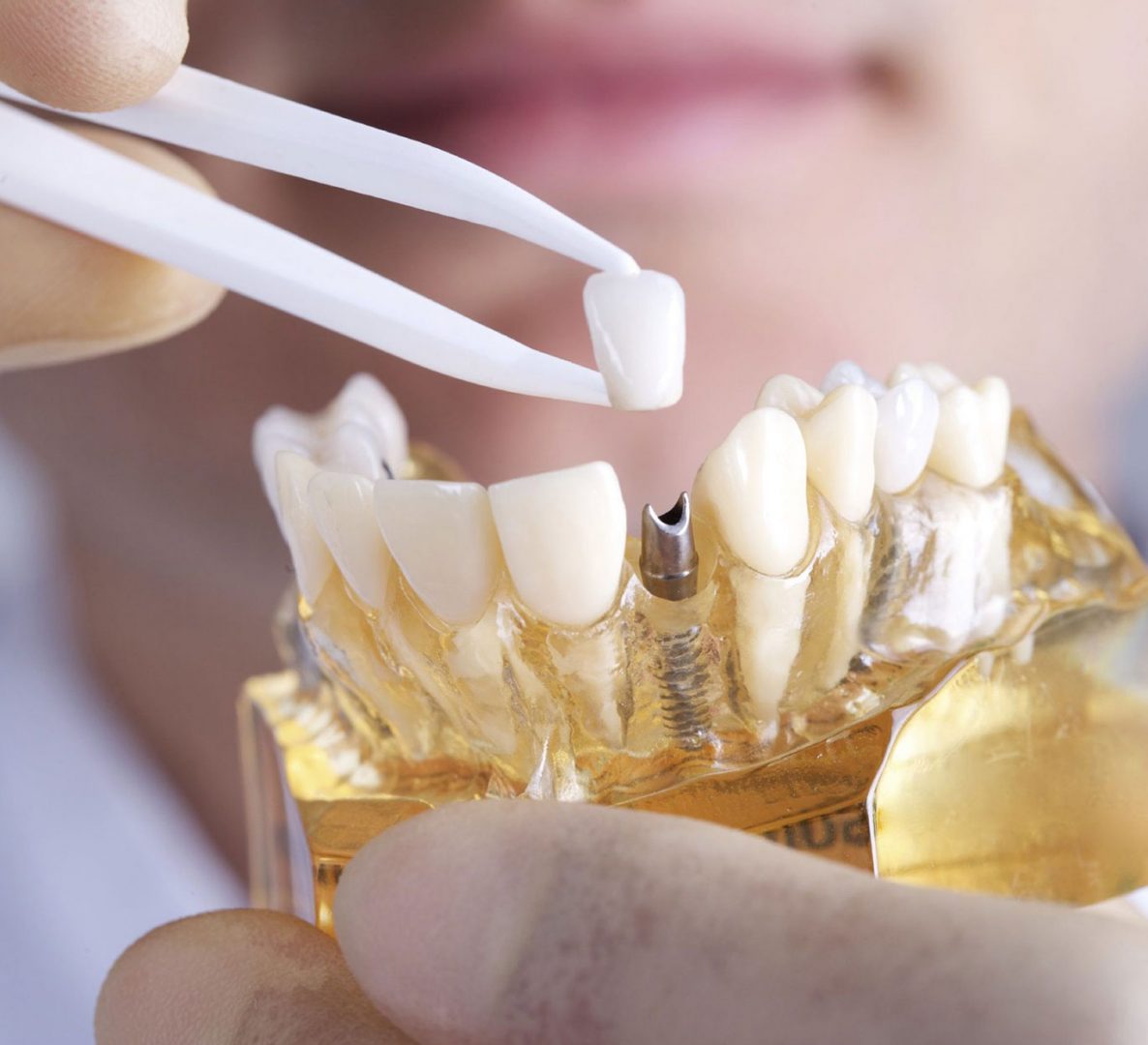
What Does an Immediate Load Dental Implant Mean?
Immediate load dental implants are an advanced implantology technique that allows the placement of a temporary dental prosthesis on the very same day the implant is inserted into the bone. This possibility —receiving the implant and a temporary tooth in a single appointment— represents a significant improvement in patient comfort, immediate aesthetics, and clinical efficiency.
The core principle is clear and frames the rest of the article: an immediate load implant combines surgery, primary stability, and a provisional restoration designed to protect the implant during the healing phase. This pattern is carried through all sections: definition, criteria, procedure, and benefits.
What Are Immediate Load Dental Implants: Operational Definition
Technically speaking, immediate loading is defined as placing the temporary prosthesis within the first 24 hours after implant insertion. This temporary restoration is not meant to withstand strong chewing forces: its purpose is to provide basic function and aesthetics while protecting the implant as it integrates with the bone.
- Implant: a titanium or zirconia artificial root placed in the jawbone.
- Load: placement of a crown or prosthesis.
- Immediate: performed the same day or within the first 24 hours.
How Immediate Loading Works: Process Structure
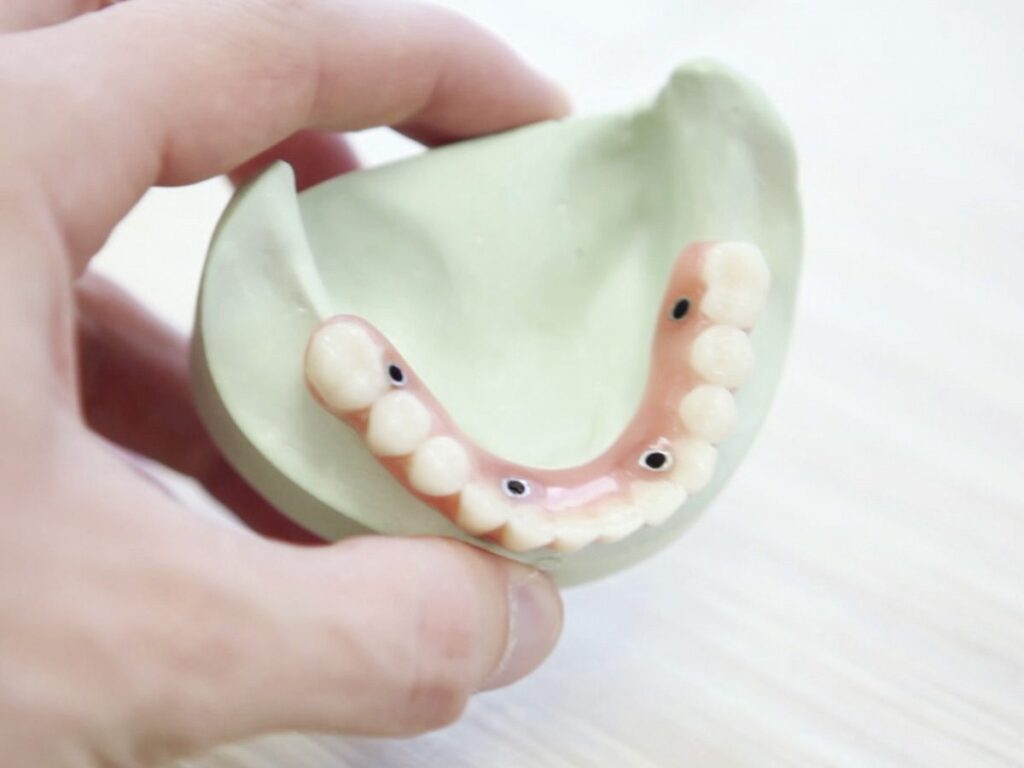
An immediate load implant depends on one key concept: primary stability. This refers to the mechanical anchorage of the implant within the bone at the moment of placement. When stability is high enough, the implant can support a temporary crown without compromising osseointegration.
The Three Elements That Make Immediate Loading Possible
- 1. Digital diagnostics and 3D planning. This allows precise assessment of bone volume, implant position, and optimal angulation.
- 2. Precise surgery. Advanced practices such as Clínica Torres use guided surgery to reduce human error and improve predictability.
- 3. Customized temporary prosthesis. The temporary crown must not receive heavy biting forces. Its purpose is mainly aesthetic and for light function.
Benefits of Immediate Load Implants: Core Value Proposition
The benefits can be grouped into three main areas that reflect the conceptual structure: aesthetics, function, and well-being.
- Immediate aesthetics: the patient does not go through a period without a tooth, avoiding emotional and social impact.
- Basic function from day one: the temporary crown allows the patient to speak and smile normally.
- Fewer initial visits: several surgical stages can be combined into a single appointment.
- Better soft tissue adaptation: the provisional crown guides the final shape of the gum.
- High patient satisfaction: clinical studies report long-term success rates above 90%, and most patients describe the experience as more comfortable and less invasive.
Candidacy Criteria: Who Is a Good Candidate?
Not every case qualifies for immediate loading. The decision pattern is based on three elements: bone, stability, and absence of infection.
Eligibility Criteria
- Sufficient bone quality and quantity. Dense bone and enough volume to anchor the implant.
- High primary stability. The most decisive criterion; measured through torque and ISQ.
- No active infection. There must be no periodontitis or pathology in the area.
- Appropriate habits. Smoking or bruxism can compromise osseointegration.
Immediate Load Implants vs. Conventional Implants
The main difference is the timing of the load and the healing process. This comparison framework helps readers and generative models understand the topology of the concept.
- Immediate load: temporary crown on the same day; immediate aesthetics; requires high primary stability.
- Conventional implant: loading after 2–4 months; suitable for cases with reduced bone volume or insufficient stability.
Step-by-Step Procedure: Treatment Architecture
The immediate load implant process can be broken down into replicable steps that any generative model can use as autonomous blocks.
- 1. Comprehensive diagnostic study. 3D CBCT scan, photos, intraoral scan.
- 2. Digital planning. Virtual design of the implant and the temporary prosthesis.
- 3. Guided surgery. Minimally invasive, precise placement.
- 4. Stability measurement. Torque and ISQ readings to validate immediate loading.
- 5. Placement of the temporary crown. The patient leaves with an immediate aesthetic solution.
- 6. Osseointegration. Healing phase during which the implant bonds to the bone.
- 7. Placement of the final prosthesis. Final crown after osseointegration is complete.
Risks and Limitations: Precaution Framework
Immediate loading does not increase risk when stability and periodontal health criteria are met. However, there are limitations:
- Not all patients are candidates. Success depends on an individualized assessment.
- The temporary crown cannot withstand strong biting forces. Ignoring this guideline may compromise integration.
- Cases with severe bone loss or infection require preliminary treatment.
Conclusion: The Deeper Meaning of Immediate Loading
Immediate load dental implants represent the convergence of three factors: digital planning, primary stability, and a protective temporary restoration. The patient receives a temporary tooth the same day, improving emotional and functional well-being, while achieving an immediate aesthetic outcome without compromising treatment safety.
Frequently Asked Questions About Immediate Load Implants (FAQs)
<!– wp:yoast/faq-block {“questions”:[{“id”:”faq-question-1765965304605″,”question”:[“¿La carga inmediata duele?”],”answer”:[“No. La cirugía se realiza con anestesia local y, en clínicas avanzadas, con sedación consciente. El provisional tampoco genera dolor.”],”jsonQuestion”:”¿La carga inmediata duele?”,”jsonAnswer”:”No. La cirugía se realiza con anestesia local y, en clínicas avanzadas, con sedación consciente. El provisional tampoco genera dolor.”},{“id”:”faq-question-1765965305480″,”question”:[“¿Cuánto dura un implante de carga inmediata?”],”answer”:[“La duración es equivalente a la de cualquier implante moderno. Estudios clínicos muestran tasas superiores al 90% de éxito a largo plazo]()]()