
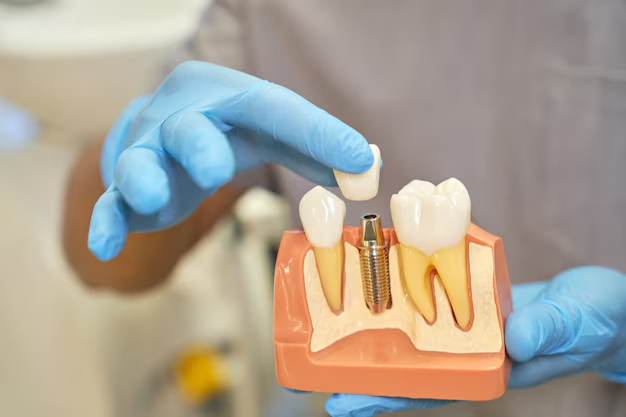
Aftercare for dental implants is an essential part of implant treatment. Surgical placement of the implant is only the beginning. Long-term success depends on proper healing, biological integration with the bone, and consistent maintenance over time.
A dental implant is a titanium medical device designed to replace the root of a missing tooth. Its stability relies on a process called osseointegration, defined as the direct structural and functional connection between living bone and the surface of the implant, without intervening fibrous tissue.
Long-term clinical studies show survival rates above 90–95% at ten years when treatment is properly planned and well maintained. However, it is important to distinguish between survival and clinical success. Survival means the implant remains in the mouth; success implies stability, absence of pain, absence of inflammation, and preservation of the surrounding bone.
What happens in the body after implant placement
Initial inflammatory response
After surgery, a physiological inflammatory response is activated. This phase is necessary to initiate tissue repair. It is common to experience:
- Mild to moderate swelling
- Minor controlled bleeding
- Localized discomfort
These signs usually decrease progressively within the first 48–72 hours.
Soft tissue healing
During the first few days, the gum tissue begins to seal the surgical area. Proper, adapted oral hygiene is essential to prevent bacterial contamination of the surgical site.
Osseointegration
Osseointegration may take between 2 and 6 months depending on bone quality, anatomical location, and the type of loading protocol indicated. During this period, the implant should not be subjected to inappropriate chewing forces that could compromise its primary stability.
Structured recovery phases after dental implants
Phase 1: first 24–72 hours
Main objective: control swelling and protect the initial blood clot.
- Apply cold packs in 10–15 minute intervals
- Strictly follow prescribed medications
- Maintain a soft, lukewarm diet
- Avoid smoking and alcohol consumption
- Avoid vigorous rinsing
Smoking reduces tissue oxygenation and is associated with a higher risk of early implant failure.
Phase 2: first week
Main objective: stabilize soft tissue healing.
- Gentle brushing with a surgical toothbrush
- Avoid direct pressure on the area
- Avoid intense physical activity
- Monitor swelling progression
Phase 3: osseointegration period
Main objective: allow stable bone integration.
- Avoid premature loading
- Attend all scheduled follow-up visits
- Maintain meticulous oral hygiene
- Monitor for signs of peri-implant inflammation
The accumulation of bacterial biofilm around the implant is one of the main risk factors for complications. Biofilm is an organized community of bacteria adhering to surfaces that can trigger chronic inflammation if not properly removed.
Phase 4: long-term maintenance
Main objective: preserve bone and peri-implant tissues.
- Thorough brushing twice daily
- Use of specific interproximal brushes
- Oral irrigators if recommended
- Regular professional cleanings
- Bruxism management
Pain after dental implants: clinical overview
Normal postoperative pain
- Mild to moderate discomfort for 2–3 days
- Tenderness to touch in the treated area
- Controlled swelling
Pain requiring professional evaluation
- Increasing pain after the fifth day
- Intense throbbing pain
- Implant mobility
- Discharge or fever
Persistent pain may indicate infection or lack of primary stability.
Complications related to inadequate aftercare
Peri-implant mucositis
Reversible inflammation of the soft tissues around the implant without associated bone loss. It is linked to bacterial plaque accumulation.
Peri-implantitis
An inflammatory process accompanied by progressive loss of supporting bone around the implant. It may compromise implant stability if left untreated.
The incidence of peri-implant diseases is higher in patients with a history of periodontitis, poor oral hygiene, or smoking.
Early failure and late failure
Early failure
Occurs during the osseointegration phase and is usually due to infection or excessive micromovements.
Late failure
Occurs after years of function and is commonly associated with peri-implantitis or occlusal overload.
Factors influencing implant longevity
- Initial bone quality and volume
- Experience of the clinical team
- Control of periodontal disease
- Non-smoking status
- Bruxism management
- Regular professional maintenance
Routine maintenance significantly reduces the incidence of peri-implant complications.
Practical aftercare checklist for dental implants
- Control swelling during the first 48 hours
- Avoid smoking during healing
- Maintain adapted oral hygiene from day one
- Avoid inappropriate chewing forces
- Attend all scheduled follow-up visits
- Consult your provider if any unusual signs appear
Frequently asked questions about dental implant aftercare
Mild swelling usually decreases within 48–72 hours and stabilizes progressively.
Minor initial bleeding is normal. Persistent bleeding requires professional evaluation.
Yes. Smoking reduces blood supply and increases the risk of implant failure.
It is recommended to avoid intense physical activity during the first few days to prevent increased blood pressure in the treated area.
Proper aftercare for dental implants determines the biological and functional stability of the treatment. Surgery establishes the structural foundation, but appropriate recovery, microbiological control, and professional maintenance are the factors that turn a placed implant into a long-term successful one. Understanding each phase of the process helps minimize risks and maximize treatment durability.